Why Munnar & Wayanad packing is different
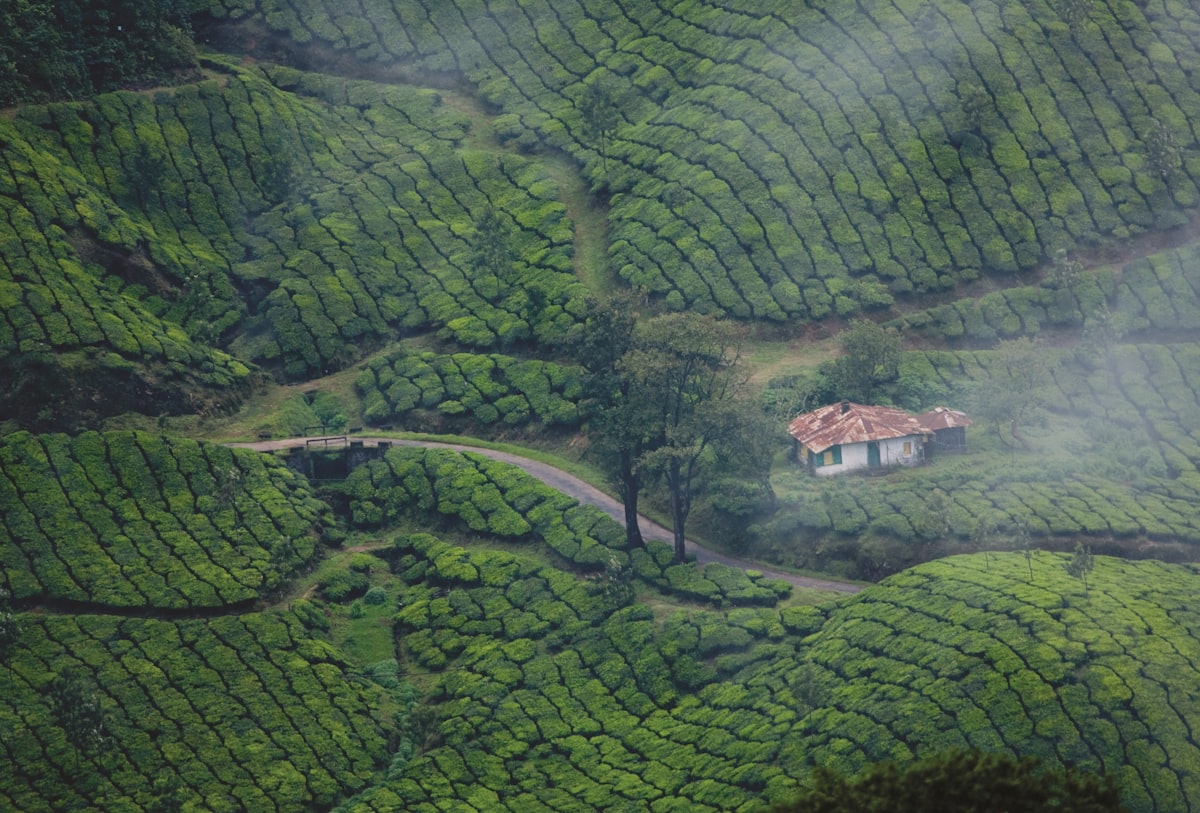
Munnar sits high enough in the Western Ghats to feel genuinely cold in the early mornings and evenings year-round, especially across its rolling tea-garden hills, while Wayanad sits lower and runs more humid and forest-dense, with wildlife sanctuaries and spice plantations as the main draw. Both get heavy monsoon rain (June–September) that turns trails muddy and brings out leeches in forested stretches. Visiting both in one trip means packing for cool hill mornings and warmer, wetter forest afternoons in the same bag.
Clothing
- A warm layer or light jacket for Munnar's cool mornings and evenings, useful even outside winter
- Lighter, breathable clothing for Wayanad's warmer, more humid forest terrain
- A rain jacket or poncho for monsoon-season visits to either region
- Quick-dry trekking clothes for tea-garden walks and forest trails
- Long sleeves and trousers for wildlife-sanctuary safaris in Wayanad, both for sun and insect protection
- A light scarf or shawl for chilly Munnar viewpoints early in the day
Footwear & accessories
- Sturdy trekking shoes or boots for tea-garden trails and Wayanad's forest paths
- Leech socks or gaiters for monsoon-season forest walks in Wayanad
- A daypack for both regions' half-day treks and viewpoint hikes
- Sunglasses for open tea-garden hillsides
- A compact umbrella for sudden Western Ghats showers in either location
- Binoculars if visiting Wayanad's wildlife sanctuary
Health, documents & tech
- Mosquito and insect repellent, particularly useful in Wayanad's forest-adjacent stays
- Anti-leech spray or salt sachets for monsoon-season treks
- Sunscreen SPF 30+ for tea-garden and viewpoint visits
- Basic allergy and stomach medication
- A reusable water bottle for long trekking days
- Power bank, since some Wayanad homestays sit in remote, forest-adjacent locations