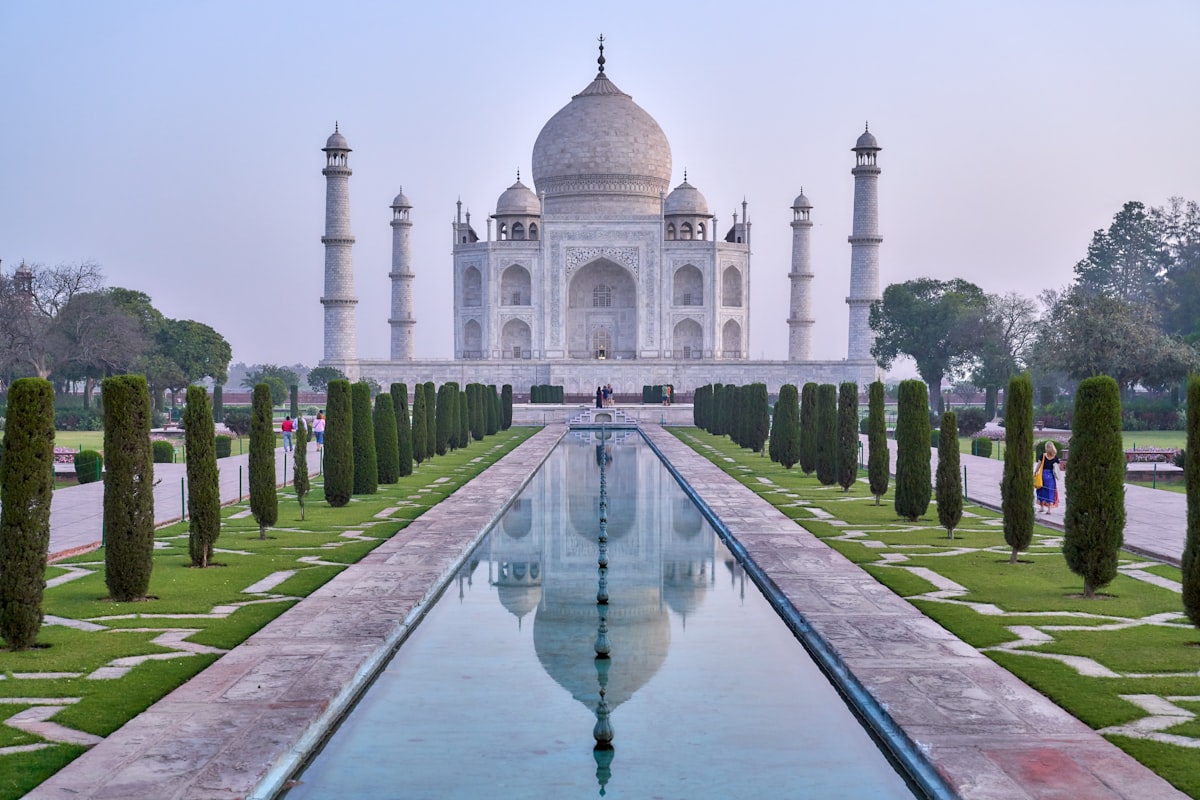
Why this guide
Visas, budgets, etiquette, and weather windows for India are usually scattered across a government portal, a visa-agent site trying to upsell you, and three different blog posts. This guide pulls the planning essentials into one place: what to know before you book, not after you land.
Visas & entry requirements
Most international visitors need a visa to enter India. The simplest route for tourism is the e-Visa: applied for online before departure, with no embassy visit required for most eligible nationalities.
- Apply only through the official portal (indianvisaonline.gov.in): never a third-party site charging a markup
- Standard e-Tourist Visa options include short-stay, 1-year, and 5-year validities, each with its own fee and a maximum stay per visit
- Apply several days ahead of travel: processing windows vary by nationality and season
- Check your passport has at least 6 months' validity remaining from your arrival date
- Carry a digital and a printed copy of your visa approval and passport bio page
Eligible nationalities, fees, and exact processing times change periodically. Confirm current details on the official e-Visa portal before booking flights: this guide deliberately doesn't quote a fee or processing window that could be out of date by the time you read it.
Budgeting for India
Costs vary enormously by travel style, often within the same city. These are rough per-person daily ranges, excluding international flights: a starting point for a budget, not a quote.
- Budget: hostels, street food & local trains: roughly $20–40/day
- Mid-range: 3-star hotels, private cars for day trips, sit-down restaurants: roughly $60–120/day
- Luxury: heritage hotels, private guides & drivers, fine dining: $150+/day, with no real ceiling
- Tipping isn't mandatory but is customary: guides & drivers around ₹200–500/day; restaurant staff 5–10% where service isn't already added
- Cards and UPI-enabled apps cover most cities; carry some cash for smaller towns, markets, and homestays
Etiquette & customs
- Remove shoes before entering temples, mosques, gurdwaras, and most homes
- Dress modestly at religious sites: shoulders and knees covered; some temples provide or require a head covering
- Use your right hand for eating, giving, or receiving: the left hand is considered unclean in many traditions
- Ask before photographing people, especially at religious sites or in rural areas
- Public displays of affection are uncommon outside major cities and can draw unwanted attention
- A side-to-side head tilt usually signals agreement: context tells you which
- "Namaste" with palms together is a safe, respectful greeting in almost any setting
Best time to visit, by region
- Golden Triangle (Delhi, Agra, Jaipur): Oct–Mar for cool, dry touring weather; Delhi's air quality is worst Nov–Feb; Apr–Jun brings extreme heat
- Rajasthan desert: Oct–Feb for mild days: desert nights can still drop near freezing; avoid the May–Jun peak heat
- Kerala & the south coast: Oct–Mar is the easiest season; Jun–Aug is the main monsoon: lush and quiet, with regular rain
- Hill stations & the Himalayas: Apr–Jun and Sep–Nov bracket the monsoon; many high-altitude routes close for winter