Why this guide
Indian weddings are often multi-day, multi-event celebrations with their own etiquette around color, gifting, and timing: very different from a single-ceremony Western wedding. Guests, especially international ones, often arrive unsure what's expected at each event. This guide covers the practical questions: what to wear, what to bring, and what to expect.
What to wear
Dress codes shift across the events, and color carries meaning.
- Avoid all-white or all-black outfits: white is traditionally associated with mourning in many Indian communities, though this is loosening in some urban circles
- Bright colors, rich fabrics, and some sparkle are generally welcome and expected, more so than at most Western weddings
- Daytime events (like a mehndi or haldi) often call for lighter, simpler outfits; evening events (sangeet, reception) are dressier
- If you don't own Indian formalwear, a colorful dress, a well-fitted suit, or a simple kurta set are all safe choices: you don't need to buy an elaborate outfit
- Check with the couple or family if there's a specific dress code or color theme for any event: many couples now specify this on invitations
- Comfortable shoes matter: many events involve standing, dancing, or sitting on the floor, and shoes often come off at certain ceremonies
Gifts & money
Gifting conventions differ from typical Western wedding registries.
- Cash gifts in odd-numbered amounts (like 101 or 501 rather than 100 or 500) are a common and auspicious tradition in many communities
- Gifts are often given in a card or envelope rather than wrapped boxes, especially for cash
- If you're closer to one side of the family, ask a mutual contact what's customary for that specific family rather than assuming
- A thoughtful, modest gift is always acceptable if cash gifting doesn't feel appropriate for your relationship to the couple
- It's fine to ask the couple's friends or family directly what guests typically do: this isn't considered an awkward question
What to expect across the events
A full Indian wedding can span several days with distinct events, though scale varies enormously by family.
- Pre-wedding events like mehndi (henna) and haldi (turmeric ceremony) are often more casual and intimate
- The sangeet is typically a music-and-dance evening: don't be surprised if you're pulled onto the dance floor
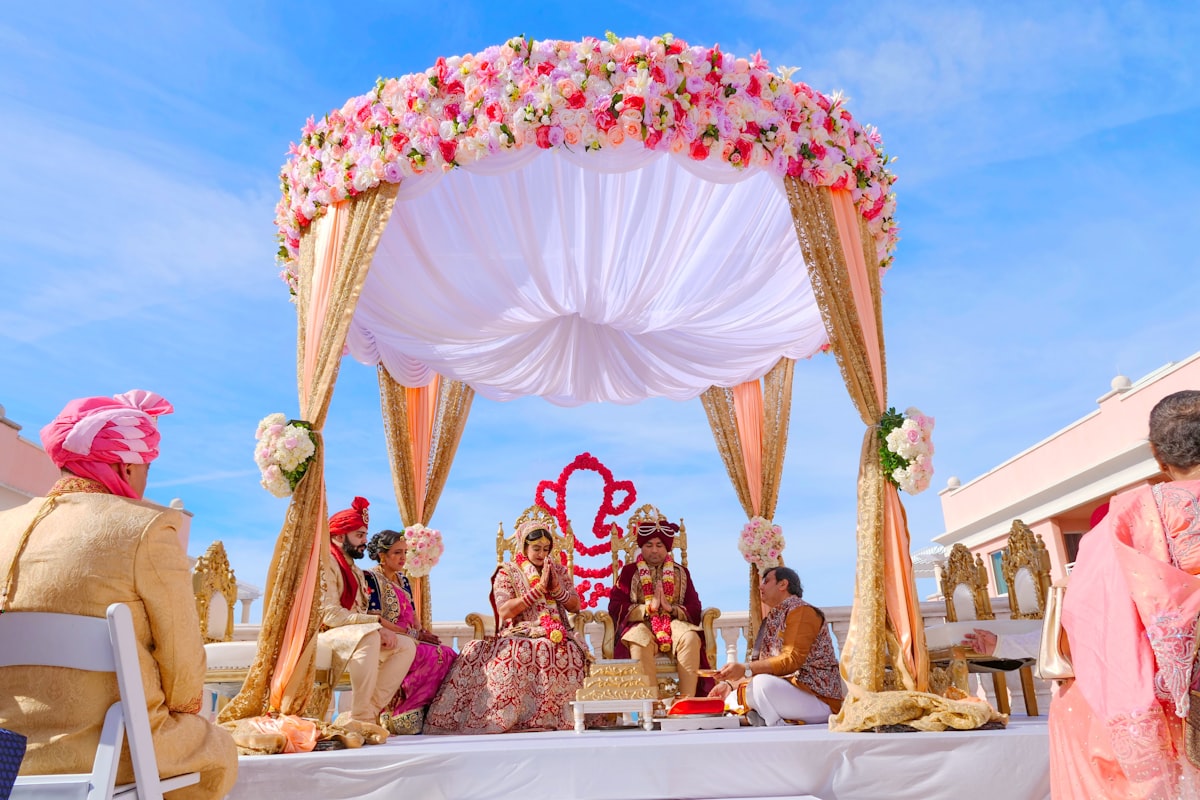
- The main ceremony itself can be long by Western standards, often with guests moving in and out rather than sitting through the entire ritual
- Food is usually abundant and a major part of the celebration: vegetarian options are typically extensive
- Timing can run later or looser than printed start times: building in flexibility rather than arriving precisely on time is common guest behavior