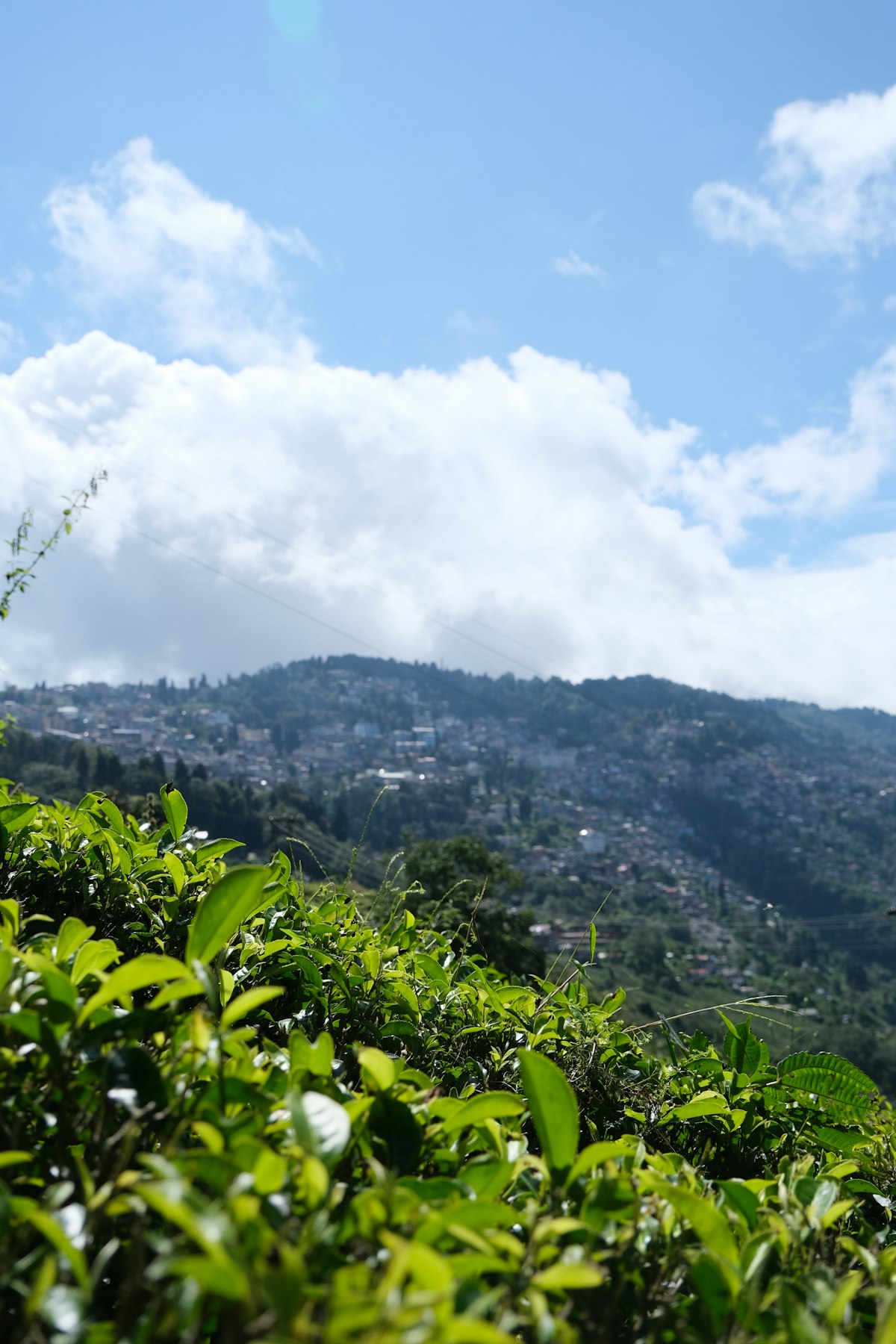
Why Darjeeling packing is different
Darjeeling sits high in the Himalayan foothills, which keeps it cool to cold year-round and genuinely chilly in winter (December–February), with thick morning mist that often rolls through the tea gardens and can obscure the famous Kanchenjunga viewpoints with little warning. Monsoon (June–September) brings heavy rain and occasional landslide risk on the hill roads, while the clearer pre- and post-monsoon windows (March–May and October–November) offer the best mountain visibility. Walking tea-garden slopes and toy-train platforms calls for sturdier layering than most of India ever requires.
Clothing
- Layered clothing: a base layer, a warm sweater or fleece, and a windproof/water-resistant outer layer
- A heavier jacket, gloves, and a warm hat for December–February visits
- A light rain jacket or poncho for the June–September monsoon
- Comfortable trousers or joggers for walking sloped tea-garden paths
- A scarf: useful for both cold mornings and protection from mist and wind
- A warm layer for early-morning Tiger Hill sunrise viewing, which is notably colder than daytime
Footwear & accessories
- Sturdy, grippy walking shoes for sloped tea-garden terrain and cobbled hill-town streets
- Warm socks for cold mornings and evenings
- Sunglasses for bright, high-altitude sun when skies are clear
- A small daypack for tea-garden walks and monastery visits
- Reusable water bottle
- A compact umbrella or rain cover as backup during monsoon months
Health, documents & tech
- Personal medication and a basic first-aid kit
- Lip balm and moisturizer: cool, dry mountain air can chap skin quickly
- Sunscreen, since UV exposure remains notable at altitude even in cool weather
- Hand sanitizer and wet wipes
- ID copy and hotel confirmations
- Portable charger and a universal plug adapter (India: Type C/D/M)
Kanchenjunga and other Himalayan views depend entirely on clear skies: mist and cloud cover are common, so build flexible time into early-morning viewpoint visits.