Why this guide
India is genuinely one of the friendliest countries on earth for vegetarians, but vegan travelers face a different reality: dairy (ghee, paneer, cream) is woven into a huge amount of everyday cooking, even in dishes that look plant-based. This guide separates what's easy from what needs a specific ask, for both diets.
What to expect as a vegetarian
Vegetarian food in India isn't a special accommodation: it's mainstream.
- Pure vegetarian restaurants are common and clearly labeled, especially in regions like Gujarat and Rajasthan
- Most restaurant menus have a substantial, clearly marked vegetarian section, not a token dish or two
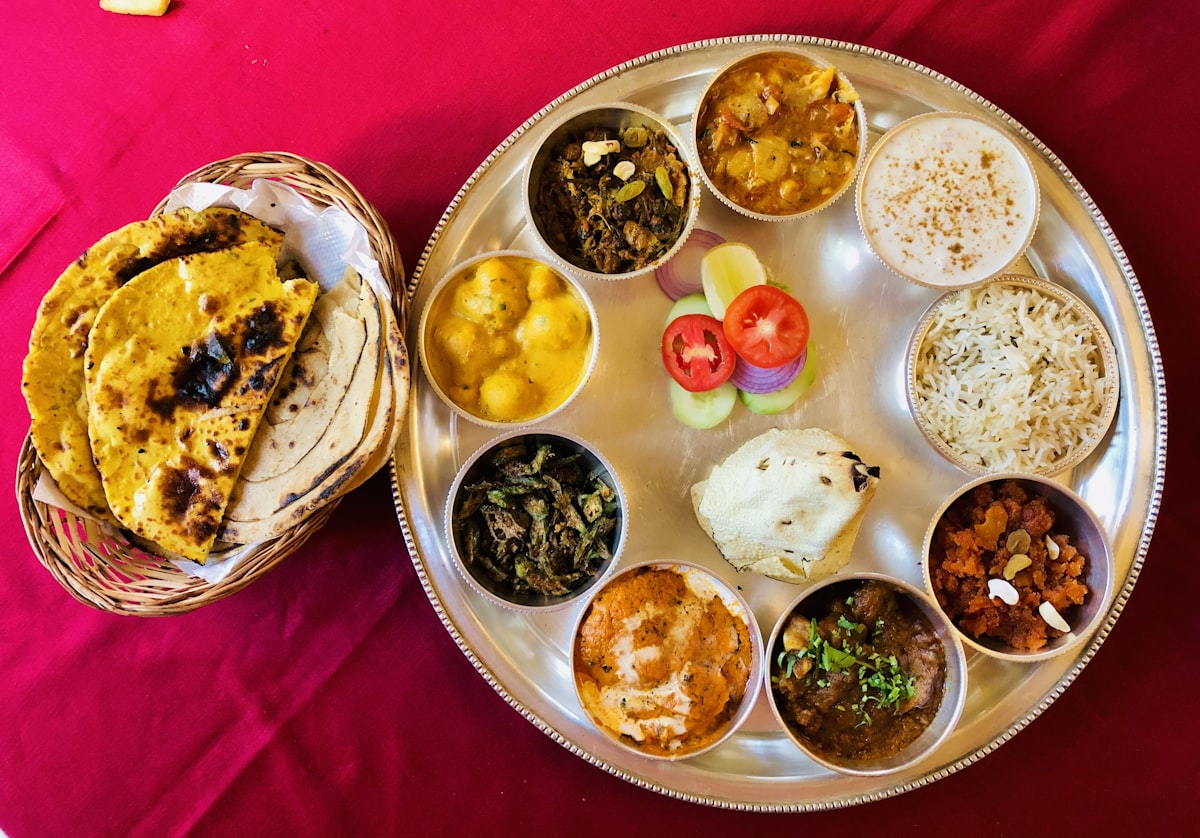
- Thali meals (a multi-dish plate) are often vegetarian by default in many regions and a good way to sample a wide range of dishes at once
- Street food has excellent vegetarian options, though apply the same hygiene caution you would for any street food
- Train and airline meals typically offer a vegetarian option as standard, not as a special request
What vegans need to ask about specifically
The challenge for vegans is less about variety and more about hidden dairy.
- Ghee (clarified butter) is used widely in cooking, including in many dishes that otherwise look vegetable-based: ask specifically if ghee or butter was used
- Paneer (a fresh cheese) is a staple protein in vegetarian cooking and easy to mistake for tofu: confirm before ordering
- Cream and yogurt are common finishing touches in curries and are easy to miss on a menu description
- Sweets (mithai) are almost always dairy-based: look specifically for vegan-labeled sweets rather than assuming
- Learn a couple of key phrases for "no dairy, no ghee, no butter" in the local language of the region you're visiting: English alone may not get the message across to kitchen staff
- South Indian cuisine (idli, dosa, sambar) tends to be more naturally vegan-friendly than North Indian cuisine, which leans more heavily on dairy
Ingredient practices vary by region, restaurant, and even individual cook: always confirm directly rather than assuming a dish is vegan because it looks plant-based.
Practical tips for both diets
- Learn the words for your dietary needs in Hindi and the regional language of where you're traveling: it travels further than English in smaller towns
- Hotels catering to international travelers are generally well set up for vegetarian and vegan requests with advance notice
- Carry a few familiar snacks for long travel days when options may be limited
- Jain travelers or anyone avoiding root vegetables (onion, garlic) should specify this clearly too: it's a well-understood dietary category in India
- Lentils (dal), chickpeas, and a wide range of vegetables form the backbone of Indian home cooking: there's rarely a shortage of naturally plant-based options to ask for