Why this decision matters
North and South India run on different climate calendars, different paces, and different trip styles, so the choice isn't just geography: it determines your best travel months, your transport options, and how the trip will feel day to day. Few first-time visitors realize how different the two halves are until they're mid-planning.
Choose North if...
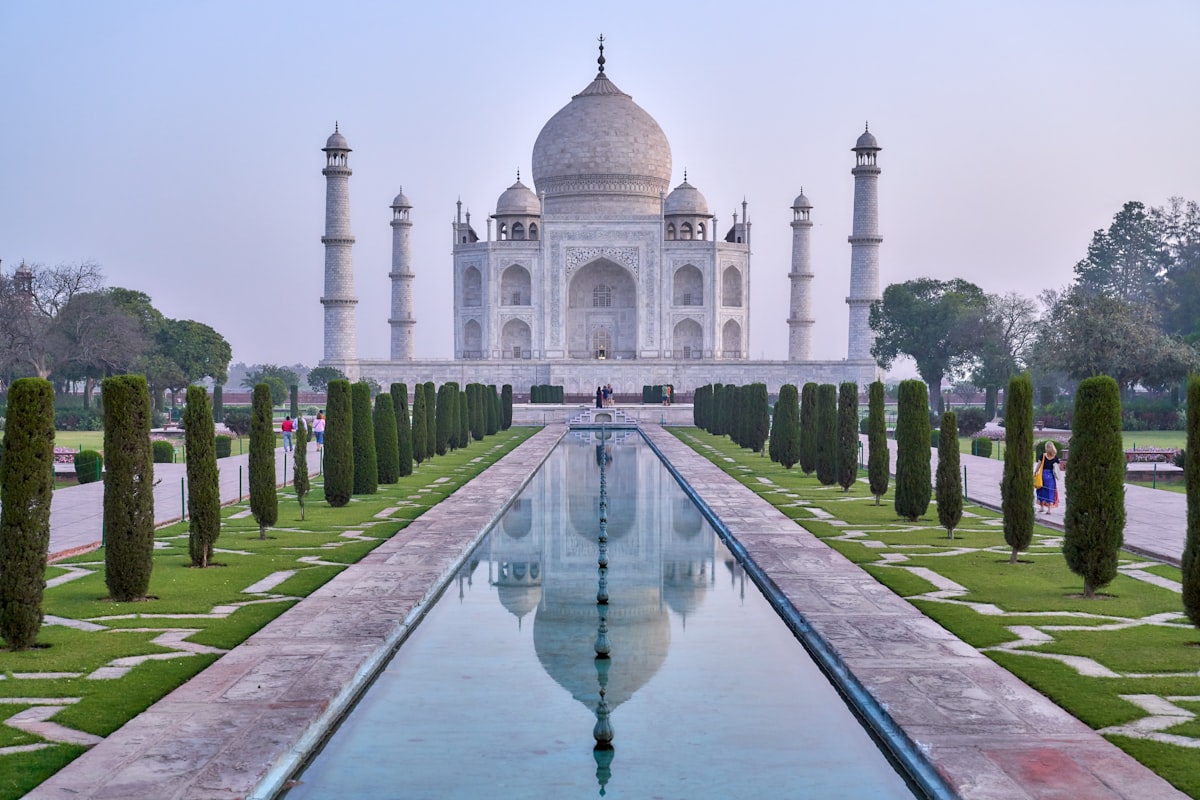
- You want the classic monuments: the Taj Mahal, Rajasthan's forts and palaces, Delhi's Mughal-era sites
- You're traveling between October and March, when the north has its most comfortable, dry weather
- You're drawn to desert landscapes, palace hotels, and a more formal, heritage-driven trip style
- You want efficient train and road connections between major sights packed into a tighter geographic loop
- You're comfortable with cooler winter mornings and occasional Delhi-area winter haze
Choose South if...
- You want backwaters, beaches, hill stations, and temple towns rather than forts and deserts
- You're traveling outside the north's cool season: the south stays warm and is workable nearly year-round outside peak monsoon
- You prefer a slower, nature-and-wellness-driven pace over monument-hopping
- You're interested in temple architecture, classical arts, or Ayurvedic wellness traditions
- You don't mind humidity, especially along the coast
Practical differences that affect planning
- Climate windows don't align: the north's ideal season is winter, while parts of the south (like Kerala) are best avoided only during peak monsoon (roughly June–Sept)
- The north favors road and rail trips between close-together cities; the south often benefits from short flights between farther-apart regions
- Dress codes and modesty norms are fairly consistent nationwide, but temple-specific rules are more central to a South India trip
- Combining both regions in one trip is common but adds at least one significant flight or long travel day: budget for it
- If you can only pick one for a first trip, your draw to monuments versus nature is usually the simplest deciding factor