Why this guide
Safari planning in India involves park-specific permit systems, zone allocations and seasonal closures that aren't intuitive if you're used to safaris elsewhere. This guide covers the booking logistics and on-ground habits that make the difference between a frustrating drive and a great sighting.
Booking your safari
National parks operate permit systems with limited vehicles per zone, so planning ahead matters.
- Book safari permits as early as the park's system allows: popular zones in well-known parks sell out well in advance, especially in peak season
- Decide between a shared jeep and a private jeep: private costs more but gives you control over pacing and stops
- Check each park's seasonal closure dates before planning a trip: many parks close entirely during monsoon months
- Confirm whether your lodge or a separate operator handles permit booking: policies vary by park
- Ask about zone allocation: some zones have higher recent sighting rates than others, and naturalists usually know current patterns
- Build in multiple safari drives (morning and evening, across a couple of days) rather than relying on a single drive for a sighting
What to pack
- Neutral-colored clothing (khaki, olive, brown) rather than bright colors or white
- A warm layer for early morning drives, even in warmer regions: open jeeps get cold before sunrise
- Binoculars: most lodges provide some, but your own pair means you're not sharing during a key moment
- A camera with zoom capability, plus spare batteries or a power bank: charging options may be limited at remote lodges
- Sunscreen, a hat and sunglasses for exposed open-vehicle drives
- Insect repellent, especially for dawn and dusk drives near water
Safari etiquette & sighting odds
- Stay seated and keep noise to a minimum near wildlife: sudden movement or sound can end a sighting fast
- Follow your guide and driver's instructions on vehicle positioning: they're balancing your view with the animal's space
- Avoid asking drivers to push closer than park rules allow: it's both against regulations and stressful for the animals
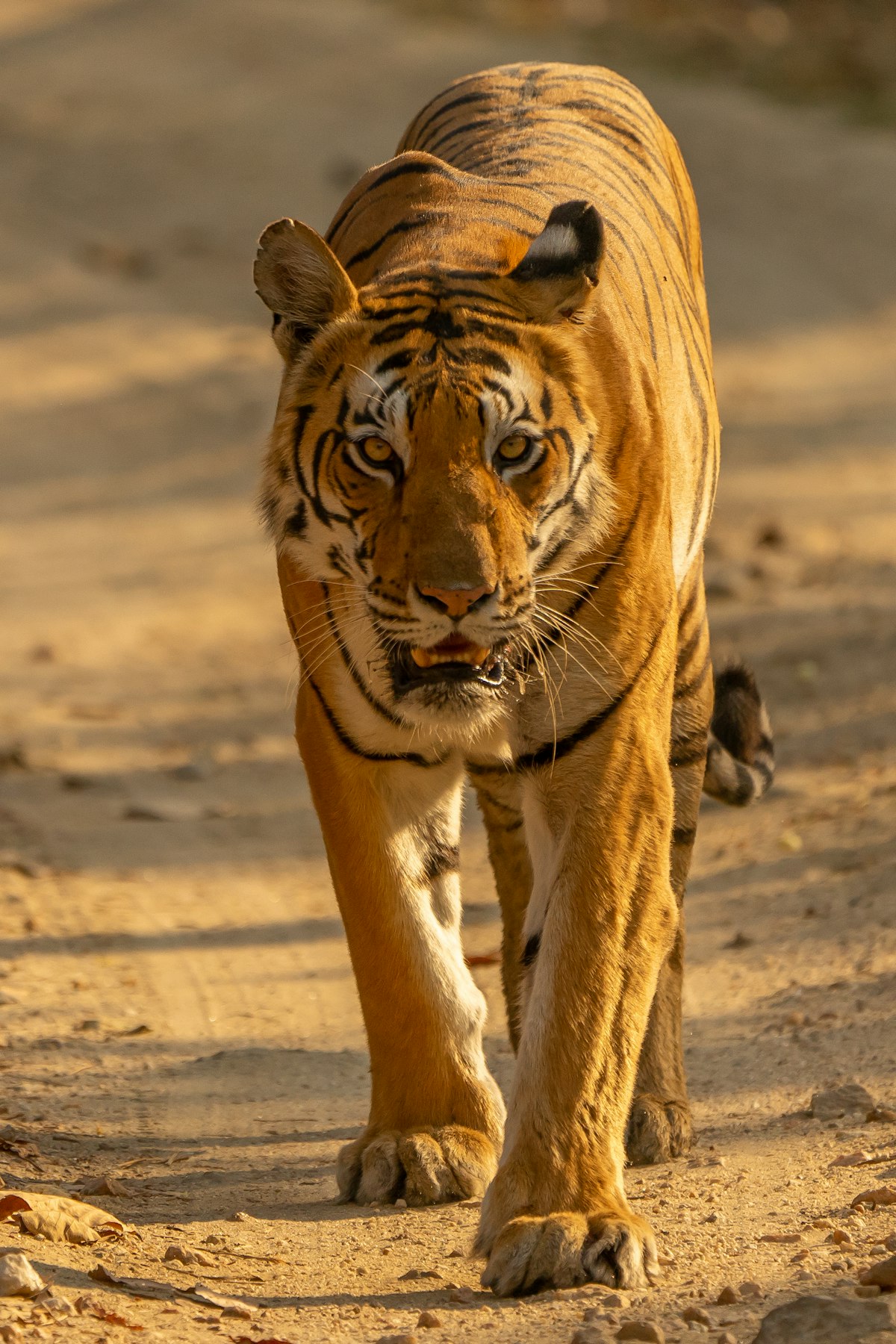
- Keep expectations realistic: sightings of marquee species like tigers are exciting but never guaranteed on any single drive
- Listen for alarm calls from deer and other species: experienced guides use these to track predator movement
- Respect any restrictions on flash photography and drone use, which are commonly prohibited inside parks
Park rules, zone systems and seasonal closures vary by reserve and are updated periodically: confirm current details with your lodge or the park authority before finalizing dates.