Why this guide
Street food is one of the best reasons to travel in India, but most safety advice is either overly cautious ('avoid it all') or too vague to actually help you choose a stall. This guide focuses on practical, observable signals rather than blanket avoidance.
What to look for
The safest stalls are usually identifiable by a few visible habits, not by appearance alone.
- Choose stalls with a high turnover and a visible queue of locals: food made fresh and sold fast is the best safety signal
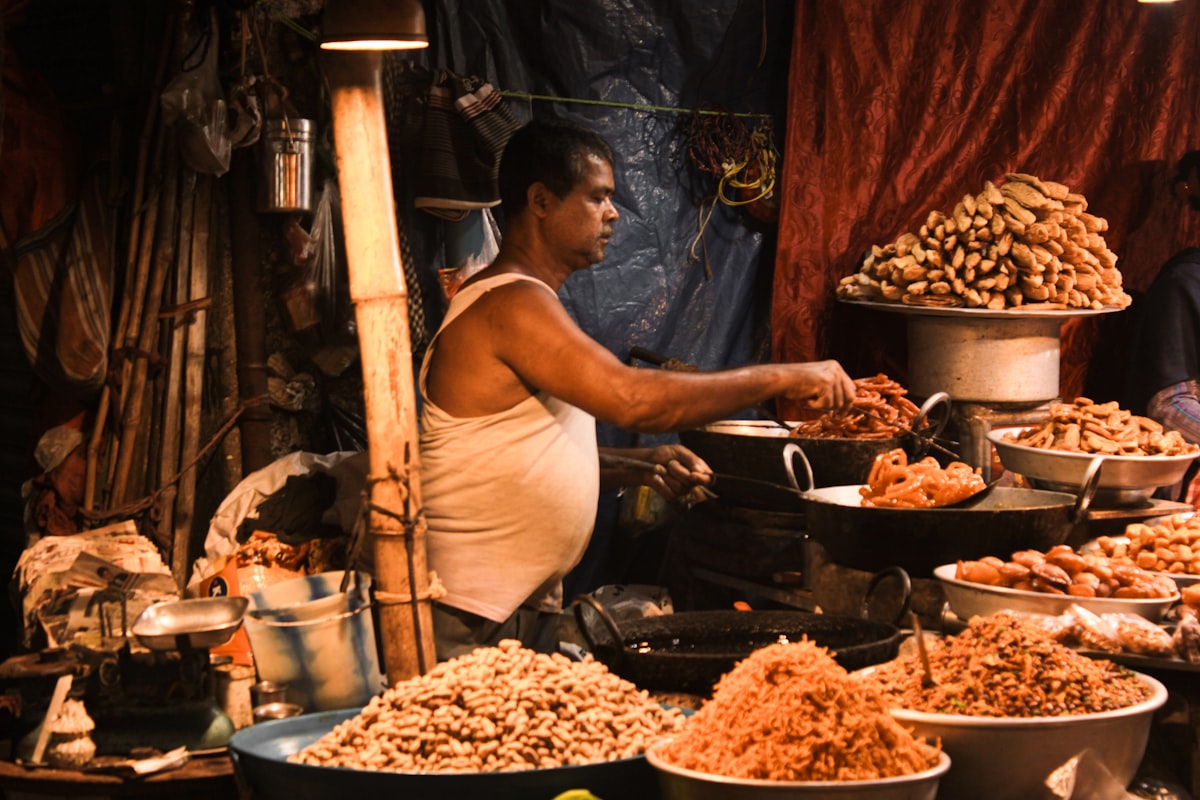
- Watch for food cooked to order in front of you, especially anything fried or grilled at high heat
- Favor vendors who handle cash and food separately, or who use tongs/utensils rather than bare hands for ready-to-eat items
- Notice if raw ingredients are stored covered and off the ground, away from dust and traffic
- Pick stalls that look the same busy way at the same time every day: consistency suggests a steady, careful operation
- Drinks made with ice are riskier than bottled or canned drinks unless you know the ice source
Easing in
- Start with fully cooked, hot items in your first day or two rather than raw salads, chutneys or cut fruit
- Introduce spicier or richer dishes gradually rather than all at once on day one
- Stick to bottled or filtered water, including for ice, ice cream and fresh juices unless you trust the source
- Carry hand sanitizer and use it before eating with your hands, which is common practice with many street foods
- Pace yourself with dairy-heavy street snacks and sweets, especially in hot weather, until your system adjusts
- Ask your hotel or guide for current local recommendations: they know which stalls are reliably busy and fresh
If your stomach reacts
Mild stomach upset is common for travelers regardless of caution and isn't usually serious.
- Pack oral rehydration salts and a basic anti-diarrheal as part of your travel kit
- Prioritize hydration over food in the first 24 hours of any stomach upset
- Stick to simple, bland foods (rice, toast, bananas) until symptoms settle
- Seek medical attention if symptoms are severe, include high fever, or last more than a couple of days
- Keep your hotel's front desk or a local pharmacy in mind as an easy first stop for advice or basic medication
This is general guidance, not medical advice: talk to a travel health provider about your personal risk factors before you go.