Why this guide
Bargaining in India can feel intimidating to first-timers: too aggressive and it's uncomfortable, too passive and you overpay significantly. The bigger confusion is usually knowing which shops expect it at all. This guide separates fixed-price retail from negotiable markets, and gives you a workable approach for the latter.
What's fixed-price vs negotiable
Mixing these up is the most common shopping mistake.
- Government emporiums, branded stores, malls, and most shops with printed price tags are fixed-price: bargaining there is unnecessary and can come across oddly
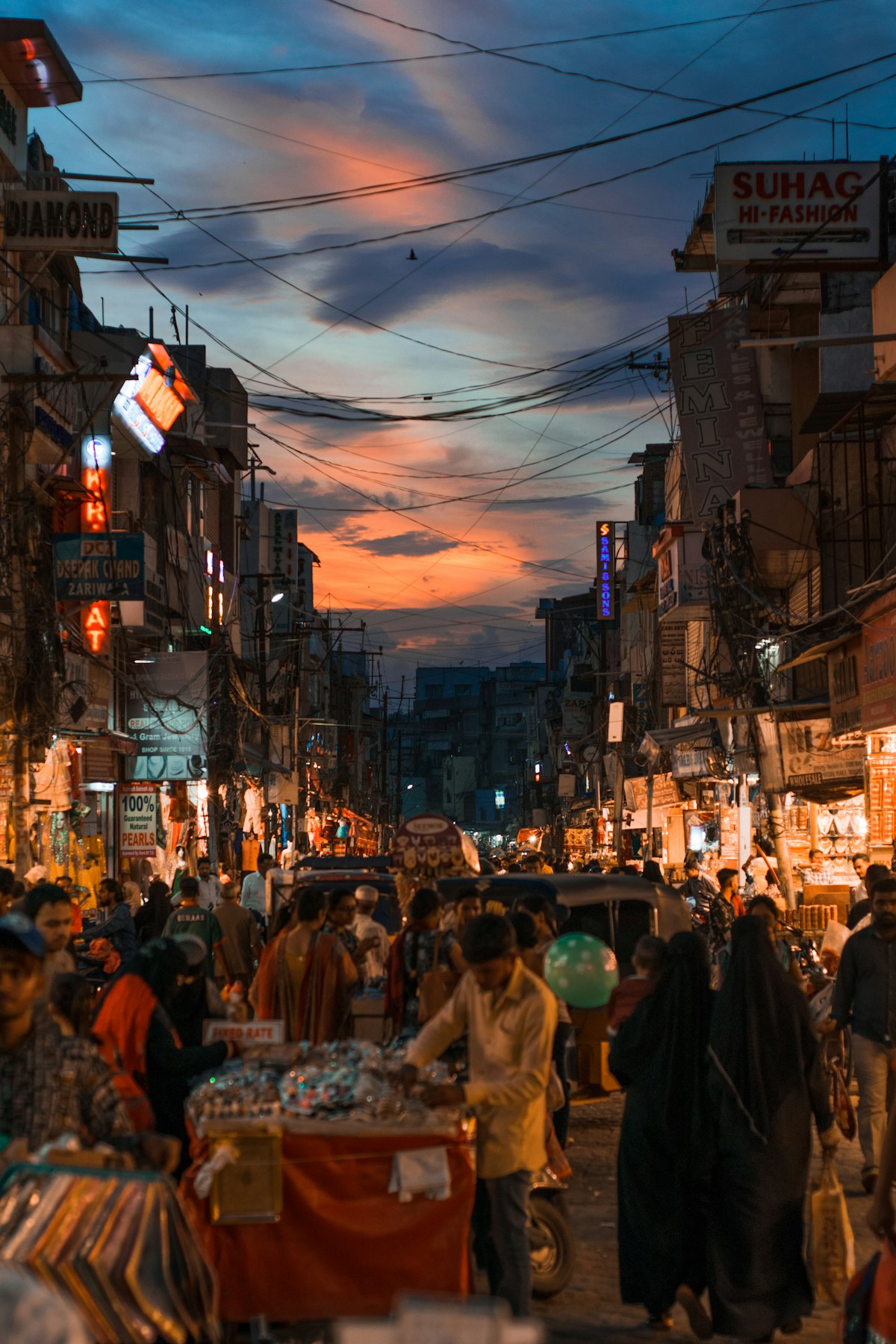
- Open-air markets, bazaars, street stalls, and most souvenir sellers near tourist sites expect negotiation
- Auto-rickshaw and unmetered taxi fares are effectively negotiable unless you're using a metered or app-based ride
- Hotels and houseboats sometimes have flexibility on rate in low season, though this is a quieter negotiation, not market-style haggling
- Handicraft cooperatives and artisan-direct shops often have fixed, fair-trade pricing: read signage before assuming you should haggle
How to bargain well
Good bargaining in India is unhurried and good-natured, not combative.
- Start by asking the price, then counter at roughly half to two-thirds of the first quote as an opening move: adjust as you get a feel for the seller and item
- Stay friendly and smile: bargaining is a social exchange in most markets, not a confrontation
- Walking away (politely) is a legitimate tactic: sellers will sometimes call you back with a better price
- Buying multiple items from one seller usually gets you a better combined rate than buying single items from several
- Know roughly what you're willing to pay before you start, and stop once you're there rather than chasing the lowest possible number
- Comparing prices at two or three stalls before committing gives you a real sense of the going rate
Bargaining norms vary by region and by how touristed a market is: watch how locals negotiate nearby for a sense of fair local pricing.
What to look for, by region
Each region has specialties worth seeking out specifically.
- Rajasthan: block-printed textiles, mojari leather shoes, blue pottery, miniature paintings
- Kerala: spices, Ayurvedic oils, coir products, kathakali masks
- Agra & Uttar Pradesh: marble inlay work (look for genuine pietra dura craftsmanship, not painted imitations), leather goods
- Varanasi: Banarasi silk sarees and stoles
- Kashmir & the Himalayas: pashmina shawls, walnut wood carving, hand-knotted carpets
- Goa: cashews, feni, beachwear, flea-market finds
For silk, pashmina, and gemstones, buy only from reputable sellers: these categories have a high rate of misrepresented or synthetic substitutes sold to tourists.