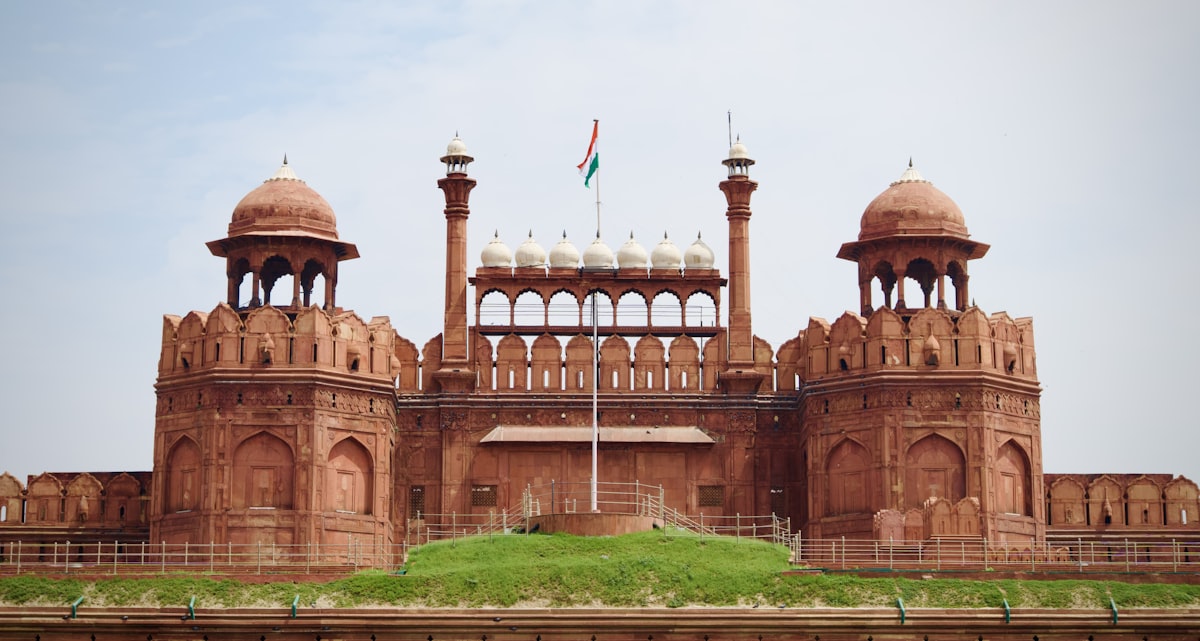
Two cities in one
Delhi is really two cities layered on top of each other: the dense lanes and Mughal-era monuments of Old Delhi, and the wide boulevards and colonial-era government buildings of New Delhi built by the British. Most first-time visitors split their time between the two, and the contrast is part of the point. This guide covers how to move between them and what's worth prioritizing in each.
Getting around
- The Delhi Metro is fast, air-conditioned, and the easiest way to cross the city, with a separate airport line connecting to New Delhi station
- Old Delhi's lanes around Chandni Chowk are too narrow and congested for cars: go on foot or by cycle-rickshaw
- App-based cabs and autorickshaws cover the rest of the city; agree on a fare upfront for unmetered autos
- Traffic is heaviest on weekday mornings and evenings: build buffer time between sights
- Distances between Old Delhi, New Delhi, and South Delhi are larger than they look on a map; plan sightseeing by zone rather than crisscrossing
Top sights & experiences
- Red Fort and Jama Masjid in Old Delhi, both Mughal-era landmarks within walking distance of each other
- Chandni Chowk's lanes for street food, spices, and wholesale markets
- Humayun's Tomb, a precursor to the Taj Mahal's design and far less crowded
- Qutub Minar and its surrounding complex of early Indo-Islamic architecture
- India Gate and the government quarter around Rajpath in New Delhi
- Lotus Temple and Akshardham for more recent architectural landmarks
Practical tips
- Security checks and bag screening are standard at major monuments and the metro: build a few extra minutes into your schedule
- Air quality can be poor, especially in winter months: check conditions if you have respiratory sensitivities
- Dress modestly for Jama Masjid and other religious sites; some require head coverings
- Summers (Apr–Jun) are extremely hot; winters (Dec–Jan) can be cold and foggy in the mornings
- Cards and UPI are widely accepted in shops and restaurants, but carry cash for markets and autos
Monument opening hours and entry procedures change periodically: confirm current details at the ticket counter or official tourism site before finalizing your day plan.