
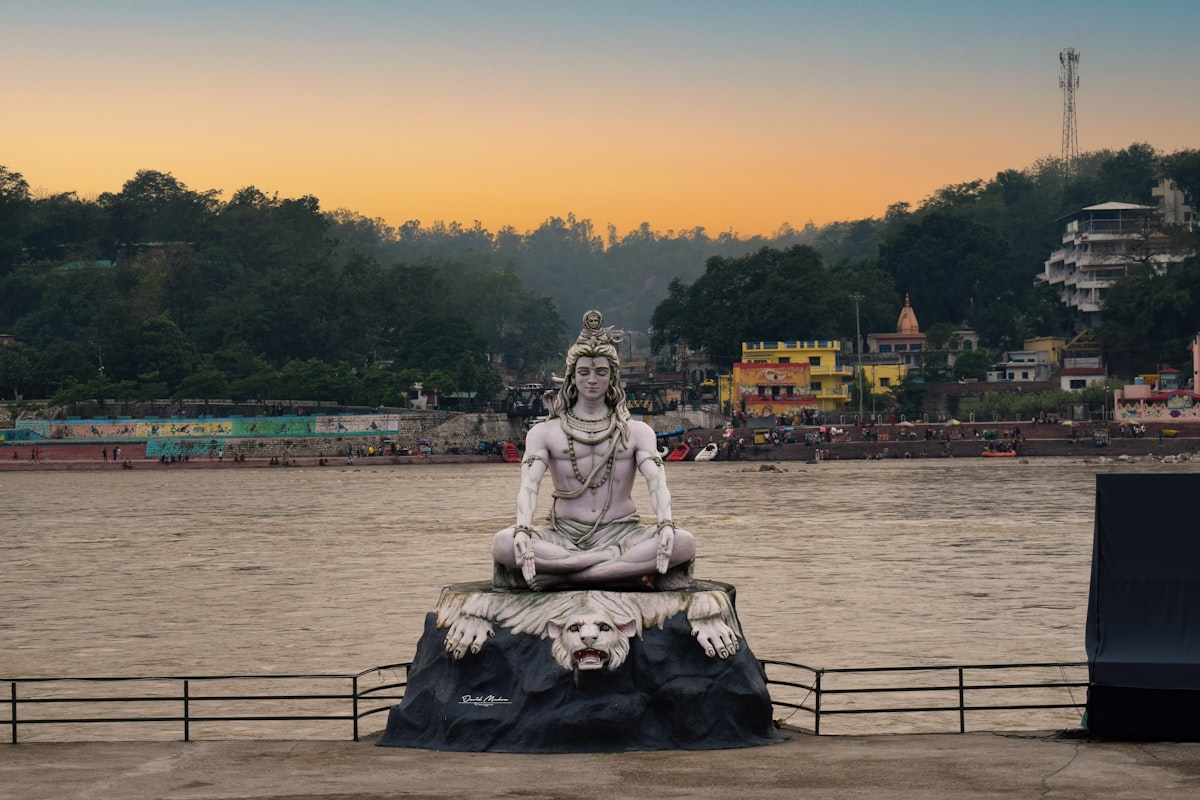
Why Rishikesh packing is different
Rishikesh sits in the Himalayan foothills along the Ganges, which keeps it noticeably cooler than the plains and genuinely cold in winter (December–February), while summer (April–June) brings warm days but still-pleasant evenings. The town is also a major yoga and ashram hub with strict modesty and quiet-conduct expectations, alcohol and meat are restricted or unavailable in many areas, and white-water rafting on the Ganges is a signature activity that calls for its own kit. This list blends ashram-appropriate modesty with river-ready practicality.
Best time to visit, and what it means for packing
September to November is the standout window: the monsoon has cleared, the Ganges runs high and exciting for rafting, and daytime temperatures stay comfortably warm with cool, jacket-worthy evenings. February to April is the next best stretch, drier and milder, though mornings still call for a layer. December and January turn genuinely cold for a Himalayan foothill town, with nighttime temperatures dropping low enough that a proper fleece or down layer earns its space in the bag. Rafting season itself runs roughly mid-September through June, pausing only during the June-August monsoon, when the river rises too fast and silty for most operators to run trips.
Clothing
- Modest, loose-fitting clothing that covers shoulders and knees: expected at ashrams, temples, and around the ghats
- Comfortable yoga or athletic wear for classes and sessions
- A warm layer or light jacket for cool mornings and evenings, especially October–March
- Quick-dry clothing for river rafting and getting splashed
- A change of dry clothes for after water activities
- A light shawl or scarf: useful for both modesty and temple-area evenings
Footwear & accessories
- Easy slip-on sandals for ashrams and temples where footwear comes off often
- Sturdy walking shoes for riverside paths and nearby waterfall treks
- A secure strap or dry bag for phone and valuables during rafting
- Reusable water bottle: plastic bottle use is discouraged in this eco-conscious town
- Sunglasses and a hat for daytime river and trail activities
Health, documents & tech
- Personal medication and a basic first-aid kit
- Sunscreen and lip balm with SPF
- Hand sanitizer and wet wipes
- Motion-sickness tablets if continuing onward to hill stations or pilgrimage routes
- ID copy and any required permits if continuing toward the Char Dham pilgrimage routes
- Portable charger and a universal plug adapter (India: Type C/D/M)
Many parts of Rishikesh are vegetarian and alcohol-free by local custom: plan dining expectations accordingly.
Have a question about this guide?
Stuck on a field, or seeing something different on the portal? Tell us and we'll update the guide.
Thanks, we've got it. We read every message.