
A city that runs on momentum
Mumbai is India's financial and entertainment capital, built on a peninsula that forces nearly everything into a long north-south line. It moves fast, and the city's energy: colonial-era architecture next to Bollywood studios, fishing villages next to skyscrapers: is best experienced by getting out and walking rather than staying inside a hotel. This guide covers how to get around a city that's bigger than it first appears and what to prioritize.
Getting around
- The local train network is the fastest way to move long distances but gets extremely crowded at rush hour: avoid it during peak commuting times if you're unfamiliar with the system
- App-based cabs and autorickshaws (autos only run in the suburbs, not South Mumbai) are the easiest option for most visitors
- South Mumbai's main sights: Colaba, Fort, Marine Drive: are walkable as a cluster
- Traffic is heavy and largely unavoidable at peak hours; the Bandra-Worli Sea Link can save time between the western suburbs and South Mumbai
- Monsoon season (Jun–Sep) brings heavy rain and occasional flooding that can disrupt trains and roads
Top sights & experiences
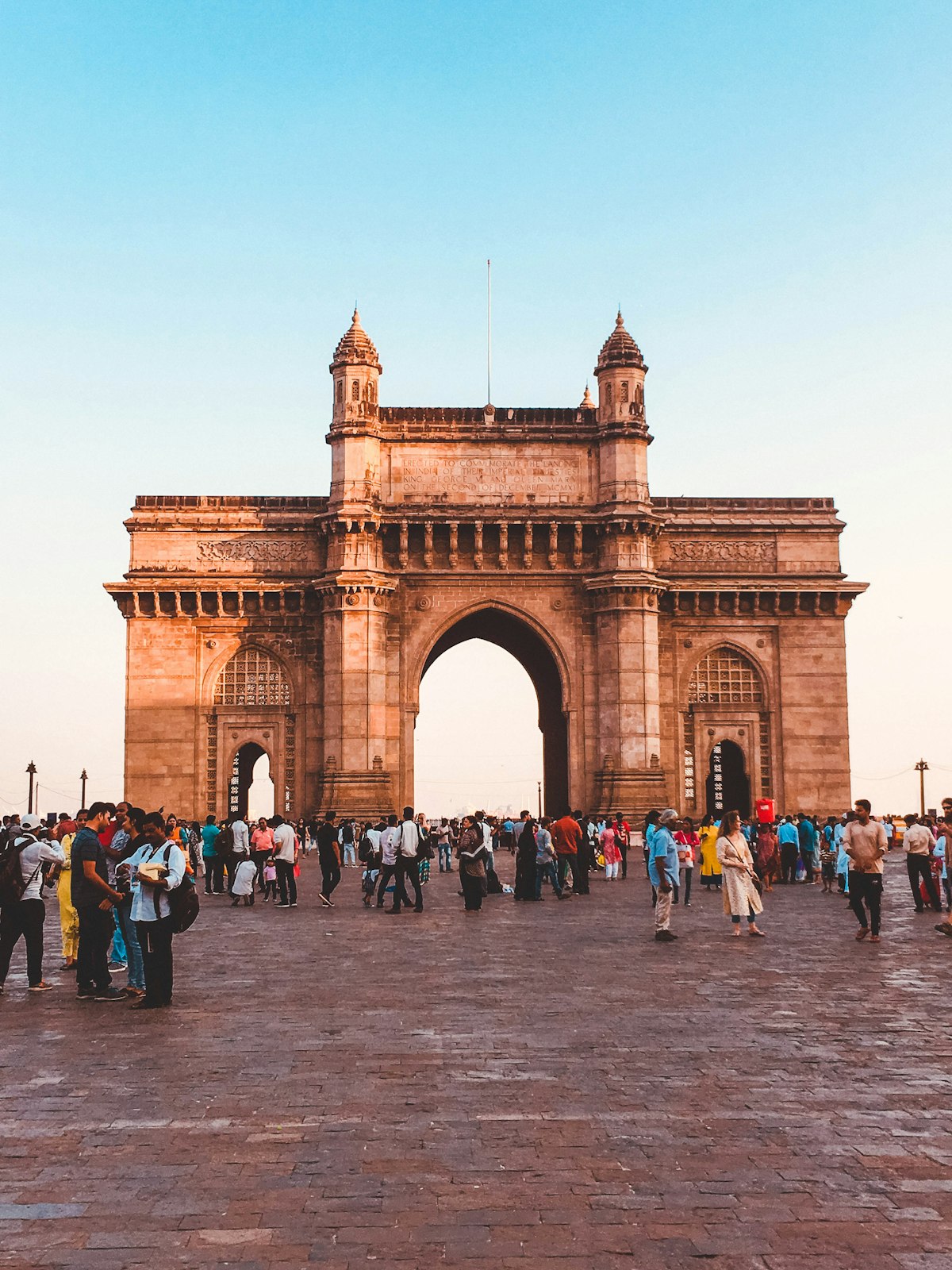
- Gateway of India and the adjacent Taj Mahal Palace hotel on the Colaba waterfront
- Chhatrapati Shivaji Maharaj Terminus, a UNESCO-listed Victorian railway station still in daily use
- Marine Drive at sunset, Mumbai's curving seafront promenade
- Elephanta Island, a short ferry ride from Gateway of India, with rock-cut cave temples
- Dhobi Ghat, the open-air laundry, viewable from a nearby bridge
- Crawford Market and the lanes of Fort for a mix of colonial architecture and street commerce
Practical tips
- Bag checks and security screening are standard at the airport, stations, and some hotels and malls
- Dress is generally casual and international in style, though modest dress is expected at religious sites
- Cards and UPI are accepted almost everywhere in the city, more so than in many other Indian cities
- Book accommodation in South Mumbai (Colaba, Fort, Marine Drive) for walkable sightseeing, or the western suburbs for nightlife and Bollywood-adjacent culture
- October to February is the most comfortable season, with lower humidity than the rest of the year
Ferry schedules to Elephanta Island depend on weather and tides: confirm timings before planning that day around it.
Have a question about this guide?
Stuck on a field, or seeing something different on the portal? Tell us and we'll update the guide.
Thanks, we've got it. We read every message.